How Technicon is building a proactive sales system
In three weeks, a German special-purpose machinery manufacturer built the foundation for a more proactive sales approach: qualifying opportunities earlier, tracking accounts and making proposals easier to evaluate.
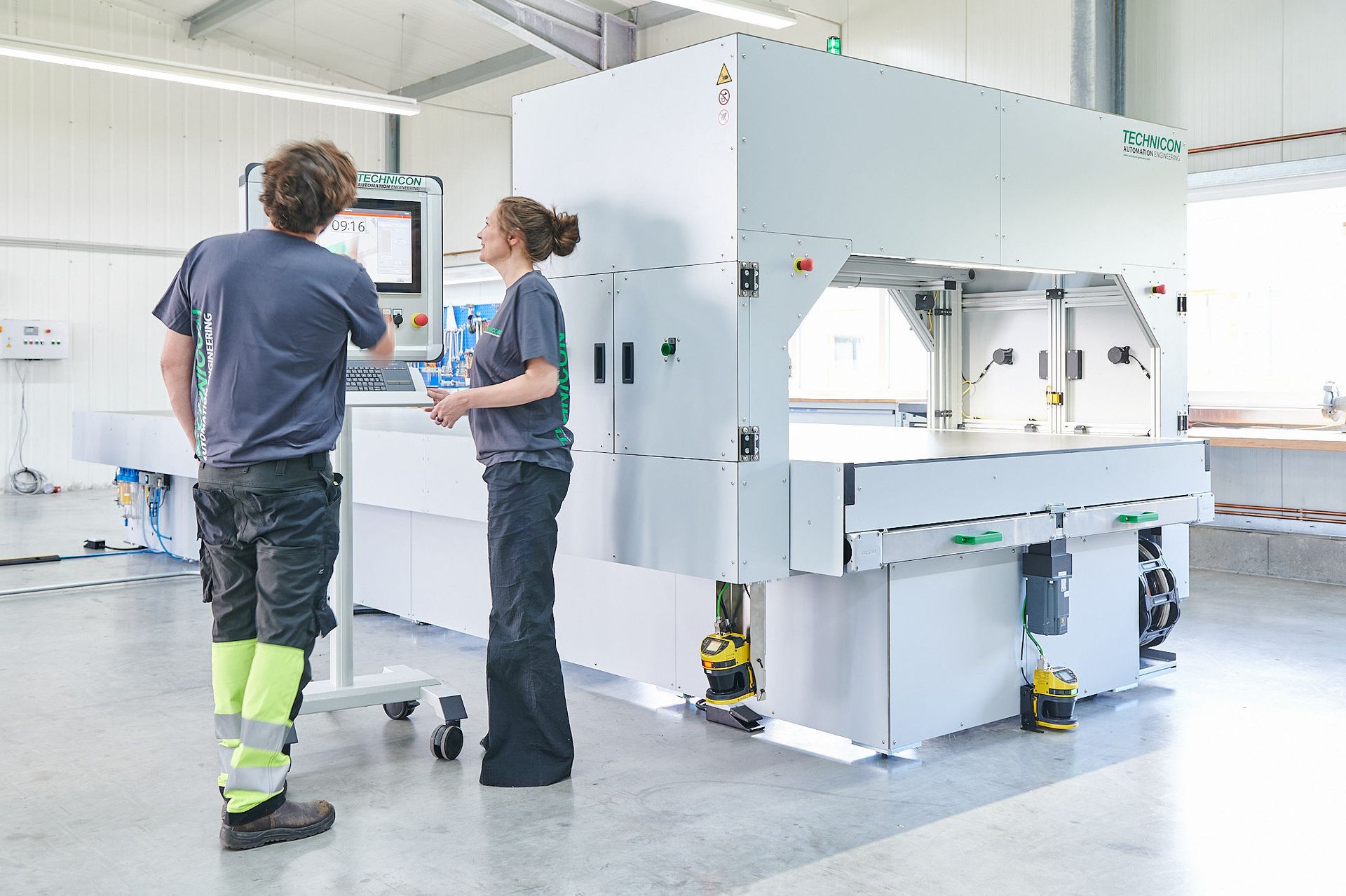

Developing sales with the existing team
For twenty-five years, Technicon grew organically through its network and its partners, including adhesive suppliers. Its simple approach to sales follow-up suited this way of working. Katja Vedder and her brother Sebastian, running the family company in the second generation, handled most sales conversations alongside their other responsibilities.
In 2026, the company wants to give prospecting fresh momentum and bring more structure to its business development. Katja has already launched a campaign for used machines. At this stage, she chooses to develop a planned approach with the existing team. Romeijer Advisory supports this step, starting with Technicon’s offers, questions used with prospects and initial tracking tools.
Understanding the project behind the enquiry
Reviewing the opportunities reveals a key point: Technicon can define the technical requirements precisely, but the context that makes the investment possible deserves earlier exploration. One exchange makes this tangible. Katja reports that a prospect no longer needs the machine after failing to win the contract on which its project depended. A technically precise enquiry can therefore rest on an uncertain decision.
The work also addresses the buyer’s investment decision. The quotations describe the technical solution in detail, making service support, machine longevity, and the economic case more visible. The common thread is better preparation for each sales decision, from selecting accounts and approach to presenting the proposal.
Connecting four parts of the sales process
The work brought these activities together around a common goal: a more proactive sales approach with the existing team. Four complementary elements connect the first conversation with a prospect to the buyer’s investment decision.
Qualification.Commercial questions complement the technical assessment to explore the reality of the project and the investment decision.
Sales steering.The customer relationship management system, or CRM, distinguishes new machines from used machines. Stages, progression criteria and reminders give follow-up a clear structure.
Prospecting.Account priorities and messages adapted to prospects and partners give Katja practical material for starting or resuming conversations.
Proposals.Prepare a budget estimate and a decision summary to discuss price earlier and present value alongside the technical documentation.
Three practices already tested in real situations.
The review distinguishes the developed tools from the initial uses Katja reported. Three practices have already been tested in her sales work.
| PRACTICE | STARTING POINT | Initial use reviewed on 13 October 2026 |
|---|---|---|
| Account follow-up | Straightforward follow-up, largely handled through email exchanges. | Katja retrieves account and contact history while prospecting for used machines. |
| Qualification | Questions focused mainly on the machine’s specifications. | The new questions are used on two opportunities to explore the context and project readiness. |
| Prospecting | Katja had started developing her lists and outreach activity. | The “partner” and “new account” messages are used to follow up concerning trade-show contacts. |
Qualification gives a concrete example of what the method contributes. During a conversation about a used machine, Katja examines what is driving the planned increase in production. She learns that it is still a projection. On another opportunity, the prepared questions support an initial conversation with several people from the prospective customer. These uses show a more explicit way of examining the project; they do not yet demonstrate time savings or improved conversion.
Katja additionally points out the value of having the account history in the CRM:
“It gives a clear history of each account […] Otherwise, it would have been challenging to know whom I reached out to or not. It’s good to have an overview.”
A method the company can sustain
For a technical SME, structuring sales starts with concrete decisions: which accounts to work on, what to understand before preparing a quotation, and how to present value to the decision-maker. The Technicon case shows an initial application of this approach. Sustaining it depends on how much time the team devotes to it and on using the materials as the project progresses.
“It’s a matter of strategic approach to sales. The CRM is just the software to build it upon. The point is to be more focused, strategic, and to bring sales to a new level”
Start with one of your opportunities.
Would you like to bring more structure to business development with your existing team? Bring a recent opportunity: in 30 minutes, we examine what needs to be clarified, from the first conversation to the proposal, and which part of the process to work on first.
Book a 30-minute call